Orlando is famous for its sunshine, beautiful neighborhoods, and year-round outdoor living. But Central Florida is also known for frequent thunderstorms, intense lightning activity, and rapidly changing weather conditions.
For homeowners in Orlando, Winter Park, Windermere, Lake Nona, and surrounding communities, lightning protection is worth considering—especially when protecting a valuable home, expensive electronics, and major electrical systems.
While no home is completely immune to lightning, a professionally designed lightning protection system can help reduce the risk of lightning-related fires and structural damage.
Here are seven important factors to consider when deciding whether your Orlando home needs lightning rods.
1. Central Florida Experiences Frequent Lightning Activity
Central Florida has a climate that favors thunderstorm development, particularly during the warmer months.
Warm temperatures, high humidity, and interactions between sea breezes frequently produce afternoon thunderstorms across the Orlando area.
Lightning can strike residential properties even when a storm appears to be moving away.
A properly installed lightning protection system is designed to intercept lightning strikes and provide a controlled path for the electrical current to reach the ground.
2. Your Home’s Height and Location Matter
Some properties have characteristics that warrant closer evaluation.
Examples include:
- Two-story and three-story homes
- Homes on relatively exposed lots
- Properties near open fields or golf courses
- Large custom homes with multiple rooflines
- Homes with prominent chimneys, towers, or rooftop features
Although taller or more exposed structures may face additional risks, lightning can also strike single-story homes and buildings surrounded by trees.
The best approach is to evaluate the individual property rather than assume that a particular home is safe.
3. Homes With Metal Roofs Still Need Evaluation
Metal roofs are increasingly popular in Florida because of their durability and appearance.
However, a metal roof does not automatically provide a complete lightning protection system.
Lightning protection involves more than the roofing material. It requires properly designed strike termination devices, conductors, grounding, bonding, and appropriate surge protection.
Homeowners with metal roofs should have their properties evaluated to determine whether a dedicated lightning protection system is appropriate.
4. Expensive Electronics and Smart Home Systems Can Be Vulnerable
Modern Orlando homes often include sophisticated electrical equipment.
Common examples include:
- Smart home automation systems
- Security cameras and monitoring equipment
- Home theater systems
- HVAC equipment
- Swimming pool pumps and controls
- Computers and networking equipment
- Electric vehicle charging equipment
Lightning-related surges can enter through electrical and other conductive connections.
A comprehensive lightning protection approach includes appropriate surge protective devices in addition to the external lightning protection system.
5. Swimming Pools, Outdoor Kitchens, and Detached Structures Deserve Attention
Outdoor living is a major part of the Florida lifestyle.
Many Orlando-area homes include swimming pools, outdoor kitchens, detached garages, guesthouses, and covered patios.
These features may introduce additional electrical systems or conductive components that should be considered during a lightning protection assessment.
A qualified contractor can evaluate which structures require protection and how grounding and bonding should be addressed.
Important: Lightning protection systems do not make swimming pools or outdoor areas safe to use during thunderstorms. Everyone should move indoors when thunder is heard.
6. New Construction and Roof Replacement Are Good Opportunities
If you’re building a new home in Orlando or planning a roof replacement, this is an excellent time to consider lightning protection.
During new construction, a contractor may be able to coordinate installation with roofers, electricians, and builders.
For existing homes, lightning protection can be installed without waiting for a roof replacement.
If your property already has lightning rods, the system should be inspected after roofing work to ensure its components remain correctly installed and connected.
7. The Value of Your Home and Its Contents
A home is often one of the largest investments a family makes.
Lightning-related damage can potentially involve roofing, structural components, wiring, electrical equipment, and personal property.
A lightning protection system cannot guarantee that damage will never occur. However, a properly designed and installed system can significantly reduce certain lightning-related risks.
For homeowners with custom homes, expensive equipment, or properties that may remain unoccupied for extended periods, professional lightning protection is an important consideration.
How Does a Residential Lightning Protection System Work?
A complete system typically includes several interconnected components:
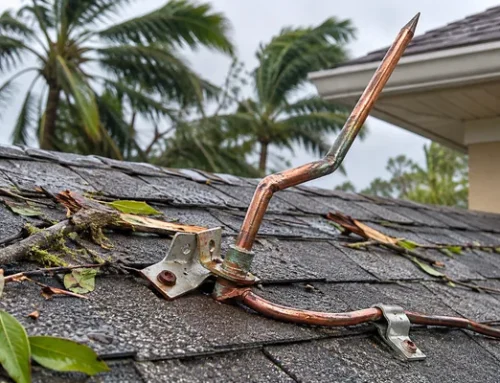
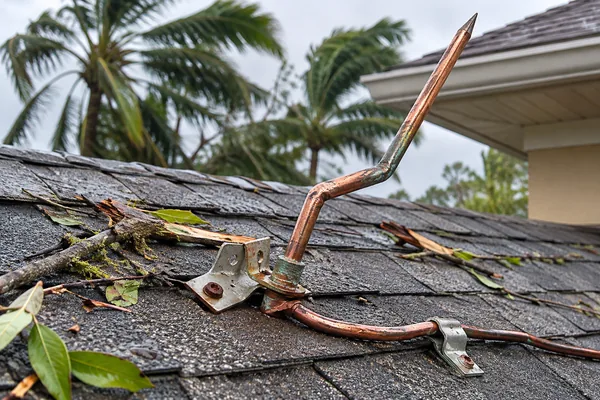
Air Terminals: Installed at appropriate locations to intercept lightning strikes.
Conductors: Carry lightning current along designated pathways.
Grounding Electrodes: Help dissipate lightning current into the earth.
Bonding: Reduces dangerous electrical potential differences between conductive components.
Surge Protection: Helps protect electrical and electronic systems against transient overvoltages.
Professional systems should be designed according to applicable standards, including NFPA 780 and UL 96A.
Frequently Asked Questions About Lightning Rods in Orlando
Do lightning rods attract lightning?
No. Lightning rods do not attract lightning from surrounding areas. They provide a preferred interception point and conductive pathway if a strike occurs.
Can lightning rods be installed on an existing Orlando home?
Yes. Lightning protection systems can be installed on existing homes with many different roofing materials and architectural styles.
Will lightning rods affect the appearance of my home?
Modern lightning protection systems can often be installed discreetly, with components positioned to minimize visual impact while meeting applicable design requirements.
Do surge protectors replace lightning rods?
No. Surge protectors and external lightning protection systems perform different functions. Both are important elements of comprehensive lightning protection.
How often should lightning protection systems be inspected?
Periodic inspections are recommended, particularly after major storms, roof repairs, renovations, or modifications that may affect system components. Inspection intervals should follow applicable standards and site conditions.
Professional Lightning Rod Installation in Orlando, Florida
If you’re considering lightning protection for your home, working with an experienced contractor is an important first step.
Elite Lightning Rods brings more than 60 years of family experience spanning four generations to lightning protection services.
We provide residential and commercial lightning protection installation, inspections, maintenance, and repairs.
Whether you own a home in Orlando, Winter Park, Windermere, Lake Nona, or another Central Florida community, our team can help evaluate your property and discuss appropriate lightning protection solutions.
Protect your home before the next thunderstorm.
Contact Elite Lightning Rods to request an estimate for professional lightning protection installation in the Orlando area.