If you live in Florida, thunderstorms are simply part of life. But when lightning is flashing nearby, many homeowners start wondering whether their house is adequately protected — and whether installing lightning rods would actually make a difference.
The short answer is that a properly designed and installed lightning protection system can provide a controlled path for lightning energy to travel safely toward the ground. But modern residential lightning protection involves much more than placing a few metal rods on the roof.
Understanding how these systems work can help Florida homeowners make better decisions about protecting their homes.
What Does a Lightning Rod Actually Do?
One of the biggest misconceptions about lightning rods is that they attract lightning.
They don’t.
Lightning rods, also known as air terminals or strike termination devices, are positioned as part of a complete lightning protection system. If lightning strikes the structure, the system is designed to intercept the strike and provide a controlled conductive path toward the earth.
Instead of allowing lightning energy to find unpredictable paths through roofing materials, framing, electrical wiring, plumbing, or other components of the home, the lightning protection system provides a designated route to ground.
The goal isn’t to prevent lightning from occurring. It’s to manage the enormous electrical energy of a strike in a safer, controlled way.
A Lightning Protection System Is More Than Lightning Rods
When homeowners picture lightning protection, the first thing that usually comes to mind is a pointed metal rod sticking up from a roof.
Those air terminals are only one part of the system.
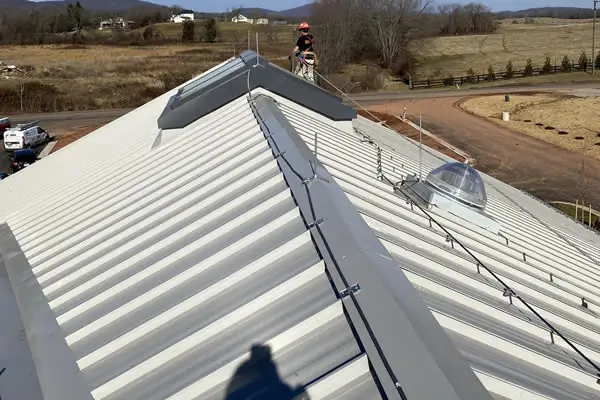
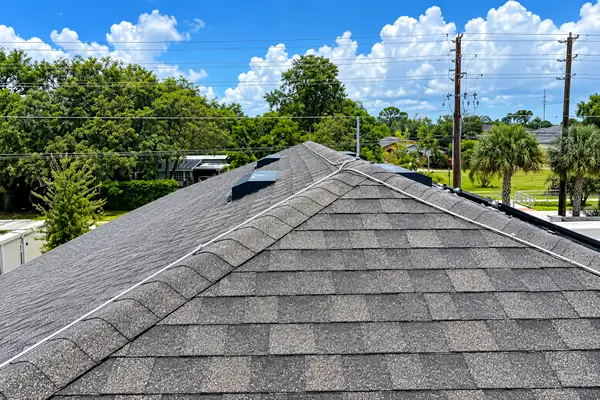
A professionally designed residential lightning protection system may include:
- Strategically positioned air terminals
- Conductors connecting the system components
- Grounding electrodes
- Bonding of appropriate metal components
- Connections designed to safely conduct lightning current
- Surge protection for electrical and electronic systems
All of these components must work together.
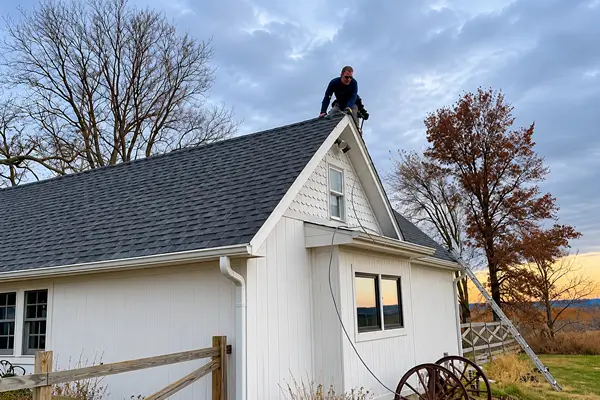
That’s why installing an isolated rod or attempting a do-it-yourself lightning protection project isn’t the same as having a properly engineered system.
Do I Need Lightning Protection If I Already Have Surge Protection?
This is another common source of confusion.
Lightning protection and surge protection serve different purposes.
A structural lightning protection system is designed primarily to manage the energy from a direct lightning strike to a building.
Surge protection helps protect electrical equipment from damaging voltage surges that can enter through electrical and other utility lines.
A whole-house surge protective device is valuable, but it shouldn’t automatically be considered a substitute for structural lightning protection.
For homeowners concerned about both direct strikes and electrical surges, these technologies can serve as complementary layers of protection.
Why Florida Homes Deserve Special Consideration
Florida’s climate creates frequent conditions for thunderstorms and lightning, particularly during the warmer months.
Homes may also contain far more sensitive electronics than they did just a generation ago. Modern HVAC systems, smart appliances, televisions, computers, security systems, pool equipment, home automation equipment, and other electronics can all represent substantial investments.
A lightning event doesn’t necessarily have to destroy an entire house to become expensive.
Damage can involve electrical systems, appliances, electronics, roofing materials, structural components, or multiple systems at once.
For Florida homeowners, lightning protection therefore isn’t only about the visible lightning rod on the roof. It is about looking at the home as a complete system.
Can Lightning Cause a House Fire?
Yes. A direct lightning strike can introduce tremendous heat and electrical energy into a structure.
If lightning travels through combustible building materials or creates electrical arcing, a fire can potentially develop inside walls, attics, roofs, or other areas.
One of the purposes of a properly installed lightning protection system is to provide a preferred conductive route for that electrical energy rather than allowing it to travel unpredictably through the structure.
What Types of Florida Homes May Benefit From Lightning Protection?
Virtually any structure can be struck by lightning, but homeowners may be especially interested in evaluating lightning protection when their property has characteristics such as:
- A tall or multi-story design
- Large or complex rooflines
- Exposed locations
- Metal architectural components
- Extensive electronic equipment
- Pools and outdoor electrical systems
- Detached garages or additional structures
- Significant home automation technology
- Recent renovations or additions
- Previous lightning or surge-related damage
New construction is also an excellent time to consider lightning protection because the system can be incorporated into the building process.
However, existing homes can also be evaluated for retrofit installations.
Will Lightning Protection Damage the Appearance of My Roof?
Homeowners are sometimes concerned that a lightning protection system will dominate the appearance of their house.
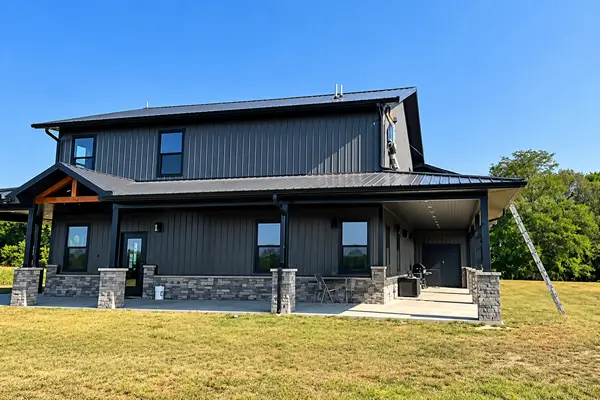
Modern systems can often be designed with aesthetics in mind.
Depending on the home’s architecture, conductors and other components may be positioned to minimize their visibility while maintaining the system’s required configuration.
Every home is different, which is another reason a site-specific system design is preferable to a one-size-fits-all approach.
How Much Does Residential Lightning Protection Cost?
There isn’t one accurate price that applies to every Florida home.
The cost of a lightning protection system can vary according to factors such as:
- Size of the home
- Height of the structure
- Roof design and complexity
- Roofing material
- Number of roof levels
- Grounding conditions
- Existing metal systems requiring bonding
- Accessibility
- System design and materials
A straightforward one-story residence will have very different requirements from a large custom home with multiple roof peaks, chimneys, additions, and detached structures.
The best way to determine the appropriate system and cost is through a professional assessment of the property.
Does Homeowners Insurance Cover Lightning Damage?
Insurance coverage depends on the individual policy and circumstances surrounding the loss.
Homeowners should review their current policy or speak directly with their insurance provider to understand how lightning-related damage is handled, including deductibles and coverage for electronics and other personal property.
Some insurers may also recognize professionally installed lightning protection systems when determining available credits or discounts. Because insurance requirements vary, homeowners should confirm this directly with their insurance company rather than assuming a system automatically qualifies.
How Do I Know If My Existing Lightning Protection System Still Works?
Having lightning protection installed years ago doesn’t necessarily mean it should never be looked at again.
An inspection may be advisable after:
- Roof replacement
- Major renovations
- Building additions
- HVAC or mechanical changes
- Solar installation
- Storm or lightning damage
- Changes to antennas or rooftop equipment
- Work that may have disconnected or altered system components
A lightning protection system depends on continuity between its components. Changes made elsewhere on the building can sometimes affect that continuity.
Should I Install Lightning Rods Myself?
Lightning protection isn’t simply a matter of purchasing several rods and attaching them to the highest points of a roof.
The effectiveness of a system depends on proper placement, conductor routing, bonding, grounding, materials, connections, and overall design.
Professional lightning protection contractors understand how these components work together and how recognized lightning protection standards apply to different structures.
For something intended to safely manage the energy from a direct lightning strike, professional design and installation are important.
Protecting Your Florida Home From Lightning
You can’t control when or where the next Florida thunderstorm develops, but you can evaluate how prepared your property is for lightning.
A properly designed lightning protection system provides a designated path for lightning energy to travel toward the ground while surge protection provides an additional layer of protection for electrical systems and equipment.
For homeowners considering residential lightning protection in Florida, the first step is having the property evaluated and determining what type of system is appropriate for the home’s design.
Elite Lightning Rods provides professional lightning protection services for residential and commercial properties throughout Florida. With four generations of industry experience and more than 60 years in the lightning protection field, our team provides lightning protection design, installation, inspections, maintenance, repairs, and retrofit solutions.
Whether you’re building a new home, protecting an existing property, or wondering whether an older lightning protection system should be inspected, contact Elite Lightning Rods to discuss your property and lightning protection needs.