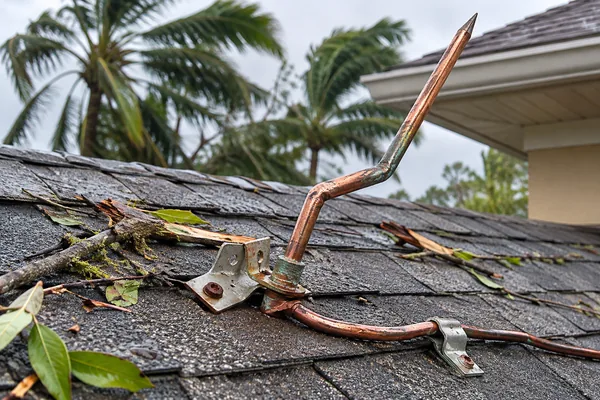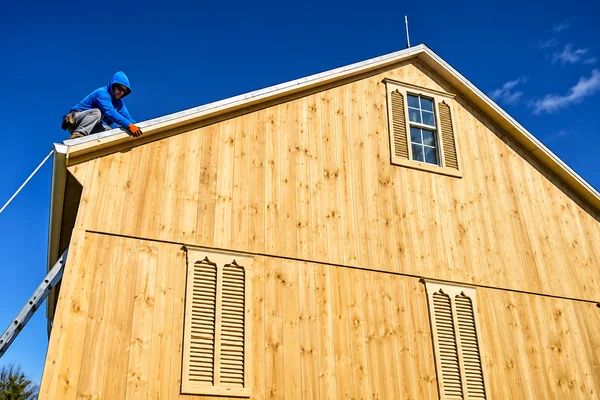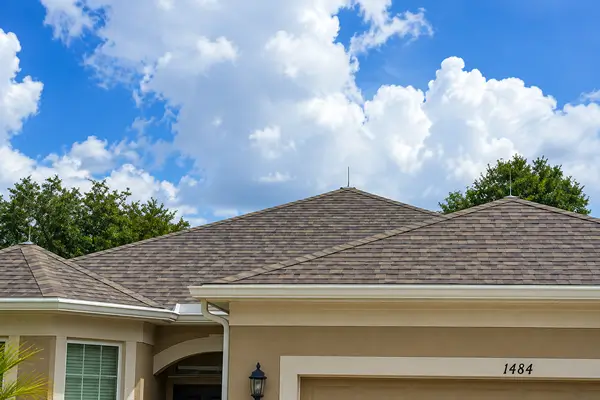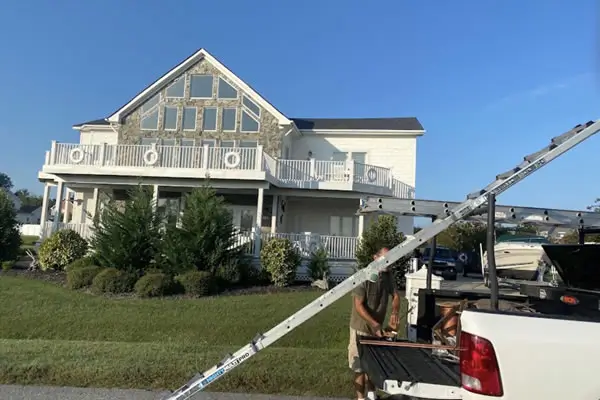
Reinstalling lightning rods after roof replacement is an important step in maintaining your property’s lightning protection system. When Florida homeowners and commercial property owners replace their roofs, existing lightning rods, conductors and mounting hardware may need to be temporarily removed. Professional reinstallation of lightning rods after roof replacement helps restore the integrity of the system while protecting your investment in a new roof.
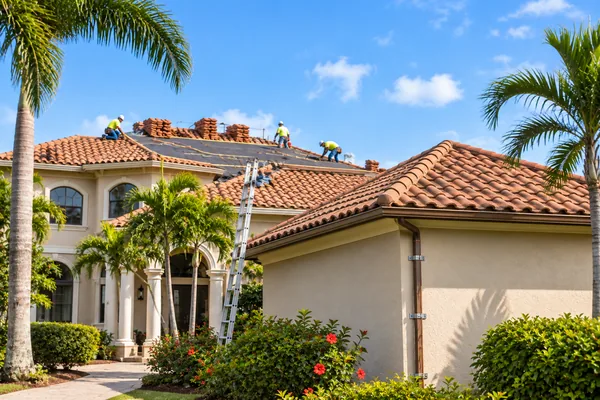
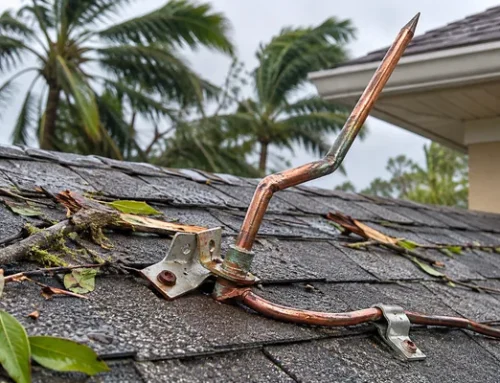
Lightning rods, conductors and mounting hardware may need to be temporarily removed before roofing work begins. Improper removal or reinstallation can compromise the effectiveness of your lightning protection system.
For Florida property owners, coordinating lightning rod installation after roof replacement with a qualified lightning protection contractor is particularly important due to the state’s frequent thunderstorms, hurricanes and severe weather conditions.
Do Lightning Rods Need to Be Removed During Roof Replacement?
In many cases, lightning rods and associated rooftop components must be temporarily removed to allow roofing contractors to complete their work.
Depending on the roofing material and existing lightning protection system, components requiring removal may include:
-
Rooftop lightning rods
-
Copper or aluminum conductors
-
Mounting brackets and fasteners
-
Roof ridge connections
-
Chimney-mounted lightning rods
-
Bonding connections to rooftop equipment
Although these components may appear relatively simple, they form part of a carefully designed lightning protection system. Improper removal can damage conductors, connections and other components that may otherwise be reusable.
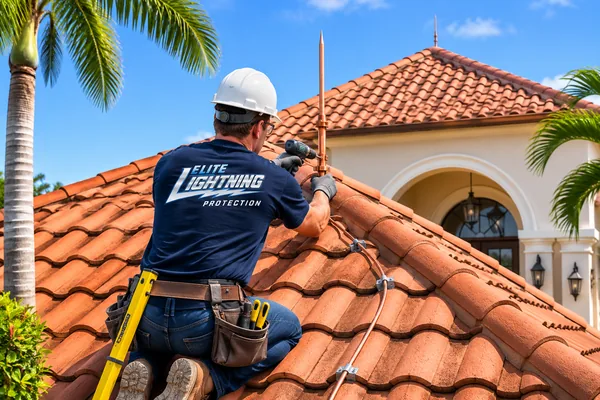
Can Roofers Reinstall Lightning Rods?
Roofing contractors specialize in installing, repairing and replacing roofing materials. Lightning protection installation, however, requires specialized knowledge of electrical bonding, conductor placement, grounding and applicable industry standards.
Simply placing lightning rods back in their original positions does not necessarily restore the effectiveness of the system.
A qualified lightning protection contractor should evaluate the existing components, determine whether they can be reused and ensure that the system is properly reinstalled.
Ideally, your roofing contractor and lightning protection specialist should coordinate their work before the roofing project begins.
Why Lightning Rod Installation After Roof Replacement Is Important
A complete lightning protection system provides an intended conductive pathway for lightning current to travel from the roof into the ground.
During roof replacement, this pathway may be interrupted when lightning rods and conductors are removed or disconnected.
Failure to properly restore the system may leave your property more vulnerable to lightning-related damage, including:
-
Structural damage
-
Electrical fires
-
Damage to roofing materials
-
Damage to electrical systems and equipment
-
Side flashes to nearby conductive materials
-
Costly property repairs
Professional lightning rod installation after roof replacement helps restore the integrity of your lightning protection system while accommodating your new roofing materials.
Can Existing Lightning Rods Be Reused on a New Roof?
In many cases, existing lightning rods can be reused if they remain in suitable condition and are compatible with the new roof design.
However, older or damaged components may require replacement.
A professional inspection can help identify:
-
Bent or damaged lightning rods
-
Corroded conductors
-
Deteriorated mounting brackets
-
Loose or damaged connections
-
Incompatible metals
-
Damaged grounding components
-
Components that no longer meet applicable installation requirements
Reusing suitable components may help reduce the overall cost of restoring your lightning protection system.
Lightning Protection for Different Roofing Materials
Florida homes and commercial properties feature a wide variety of roofing materials. Each roof type presents different considerations when reinstalling lightning protection systems.
Metal Roofs
Metal roofs are popular throughout Florida because of their durability and resistance to severe weather.
However, a metal roof alone is not necessarily a complete lightning protection system. Properly designed lightning protection may still require air terminals, conductors, bonding and grounding.
Appropriate mounting methods and compatible materials are important when installing lightning rods on metal roofs.
Clay and Concrete Tile Roofs
Tile roofs are common on Florida homes, particularly in coastal communities and residential developments.
Lightning rod installation on tile roofs requires careful attention to mounting locations, conductor routing and the protection of individual roof tiles.
Professional installation can help minimize unnecessary roof penetrations and preserve the appearance of the property.
Asphalt Shingle Roofs
Lightning protection systems can be installed on asphalt shingle roofs using appropriate mounting methods and conductor placement.
When replacing shingles, existing lightning protection components should be evaluated and properly reinstalled to accommodate the new roofing surface.
Flat Commercial Roofs
Commercial buildings often have flat roofing systems with rooftop equipment, parapet walls and mechanical installations.
Roof replacement may affect lightning rods, perimeter conductors and bonding connections to rooftop equipment.
A professional lightning protection inspection can help determine whether the existing system needs repairs, modifications or upgrades.
Will Lightning Rod Installation Damage My New Roof?
Professional lightning rod installation should take into consideration the roofing material, roof design, manufacturer requirements and appropriate mounting methods.
Depending on the roof type, lightning protection contractors may use specialized mounting brackets, compatible adhesives or other suitable attachment methods.
Coordinating with your roofing contractor can also help address roof warranty requirements and minimize unnecessary penetrations.
Modern lightning protection systems can often be installed discreetly without significantly affecting the appearance of your new roof.
Does a New Roof Require a New Lightning Protection System?
Not necessarily. A roof replacement does not automatically mean that your entire lightning protection system must be replaced.
However, changes to the roofline, building height, roofing materials or rooftop equipment may require modifications to the existing system.
These changes may include:
-
Additional lightning rods
-
Revised conductor routing
-
New mounting hardware
-
Additional bonding connections
-
Grounding system improvements
-
Replacement of deteriorated components
Roof replacement is also an excellent opportunity to evaluate an older lightning protection system and determine whether improvements are needed.
When Should You Contact a Lightning Protection Contractor?
The best time to contact a lightning protection contractor is before your roofing project begins.
Early coordination can help prevent unnecessary damage to existing components, reduce installation delays and ensure that lightning protection requirements are considered throughout the roofing process.
A typical project may involve the following steps:
-
Inspect the existing lightning protection system.
-
Identify components that can be reused.
-
Coordinate removal with the roofing contractor.
-
Allow the roofing project to be completed.
-
Reinstall or replace lightning protection components.
-
Inspect the restored system, including bonding and grounding connections.
Property owners should arrange for the system to be restored promptly following roof replacement.
Replacing Your Roof After a Hurricane in Florida
Hurricanes and tropical storms can cause significant damage to Florida roofs. During emergency roofing repairs, existing lightning protection components may become damaged, disconnected or removed.
Property owners should not overlook their lightning protection systems when addressing storm-related roof damage.
Even if your lightning rods appear undamaged, concealed conductors, mounting hardware and grounding connections may require professional evaluation.
If your existing system has sustained damage, professional lightning rod repair or replacement may be necessary before it can provide its intended protection.
Lightning Protection Installation and NFPA 780 Standards
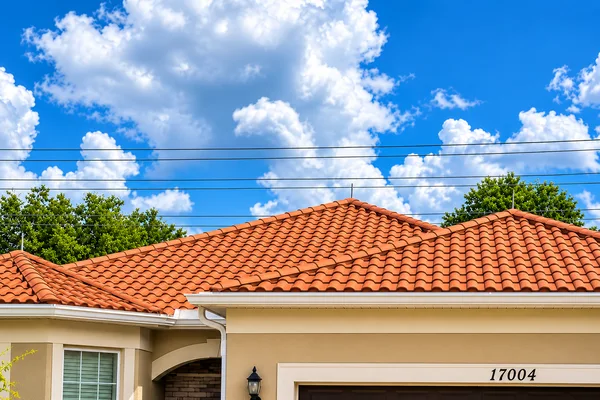
Lightning protection systems should be designed, installed and maintained in accordance with applicable industry standards, including NFPA 780, the Standard for the Installation of Lightning Protection Systems.
Following roof replacement, a qualified lightning protection specialist can evaluate whether the restored system meets applicable installation requirements.
For additional information about lightning protection standards, visit the National Fire Protection Association (NFPA).
Professional Lightning Rod Reinstallation in Florida
Elite Lightning Rods provides professional lightning protection solutions for homeowners, businesses, roofing contractors and property managers throughout Florida.
Whether you are replacing a residential roof, renovating a commercial building or repairing hurricane-related roof damage, our lightning protection specialists can evaluate your existing system and recommend appropriate solutions.
Our services include:
-
Lightning rod removal and reinstallation
-
Residential lightning protection installation
-
Commercial lightning protection systems
-
Lightning rod repairs and replacements
-
Grounding and bonding solutions
-
Lightning protection system upgrades
-
Surge protection solutions
Contact Elite Lightning Rods before your next roofing project to discuss how to maintain your property’s lightning protection.
Benefits of Reinstalling Lightning Rods After Roof Replacement
Reinstalling lightning rods after roof replacement helps Florida property owners maintain their existing lightning protection while preserving the appearance of their new roof. Whether you have installed a metal, asphalt shingle or terracotta tile roof, professional reinstallation ensures that lightning protection components are properly positioned, connected and secured.
The benefits include:
-
Restoring the integrity of your lightning protection system.
-
Identifying damaged or deteriorated components.
-
Maintaining proper grounding and bonding connections.
-
Preserving the appearance of your new roof.
-
Reducing the risk of lightning-related property damage.
Elite Lightning Rods specializes in reinstalling lightning rods after roof replacement for residential and commercial properties throughout Florida.
Frequently Asked Questions About Lightning Rods and Roof Replacement
Should lightning rods be removed before replacing a roof?
In many cases, lightning protection components must be temporarily removed to allow roofing work to proceed. A qualified lightning protection contractor should coordinate their removal and reinstallation.
Can I reuse my old lightning rods after roof replacement?
Yes, provided the existing lightning rods are in suitable condition and compatible with the new roof and lightning protection system design.
Can my roofing contractor reinstall my lightning rods?
It is recommended that a qualified lightning protection specialist handle the reinstallation to ensure appropriate conductor placement, bonding, grounding and secure connections.
Do metal roofs need lightning rods in Florida?
Metal roofing alone does not provide all the functions of a complete lightning protection system. A professional assessment can determine the appropriate lightning protection requirements for your property.
How much does lightning rod reinstallation cost?
The cost depends on the size of the property, roofing material, condition of existing components and whether additional repairs or upgrades are required.
Can lightning rods be installed without drilling into my new roof?
Depending on the roofing material and system design, specialized non-penetrating mounting methods may be available. A lightning protection contractor can recommend suitable options.
Should lightning protection be inspected after roof repairs?
Yes. Roofing work can affect conductors, mounting brackets and other lightning protection components. An inspection can help identify damage or disconnected components.
Can lightning rods be installed on a newly constructed roof?
Yes. Installing lightning protection during new construction or shortly after roof completion can allow for better coordination with the building’s architectural design.
When should lightning rods be reinstalled after roof replacement?
Lightning rods after roof replacement should be reinstalled as soon as practical once roofing work is completed. Prompt reinstallation helps minimize the period during which your property lacks its intended lightning protection.
Who installs lightning rods after roof replacement in Florida?
Elite Lightning Rods provides professional lightning protection inspections, repairs and reinstallation of lightning rods after roof replacement throughout Florida.
Protect Your New Roof with Elite Lightning Rods
Elite Lightning Rods provides professional lightning rod installation, lightning protection systems, inspections, repairs, grounding and surge protection for residential and commercial properties throughout Florida. Whether you are replacing your roof or building a new property, our experienced lightning protection specialists can help.
Explore our Florida lightning protection service areas to find professional lightning rod installers near you. Contact us today for a free estimate.