Lightning protection systems are designed to protect homes, businesses and other structures from the destructive effects of lightning strikes. However, even a professionally installed system can become damaged over time. Severe weather, hurricanes, roof replacements, corrosion and building renovations can compromise the effectiveness of your lightning protection system.
In Florida, where thunderstorms and tropical storms are common, professional lightning rod repair and maintenance are particularly important. Identifying and repairing damaged components can help maintain the integrity of your system and protect your property.
Can Lightning Rods Get Damaged?
Although lightning rods are manufactured from durable materials such as copper and aluminum, they are not immune to damage. A complete lightning protection system consists of lightning rods, conductors, mounting brackets, bonding connections and grounding electrodes.
Each component plays an important role in providing a continuous conductive pathway for lightning current to travel into the ground. If any of these components become damaged, loose or disconnected, the effectiveness of the entire system may be compromised.
Common Causes of Lightning Rod Damage
1. Hurricanes, Tropical Storms and High Winds
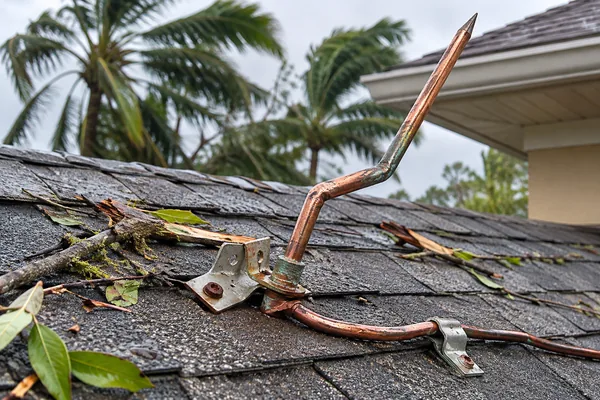
Florida properties are frequently exposed to severe weather conditions. Hurricanes and strong winds can loosen mounting brackets, bend lightning rods and displace rooftop conductors.
Flying debris during storms can also damage exposed lightning protection components. Following a major storm, homeowners and business owners should consider scheduling a professional lightning protection inspection.
2. Roof Replacement and Roofing Repairs
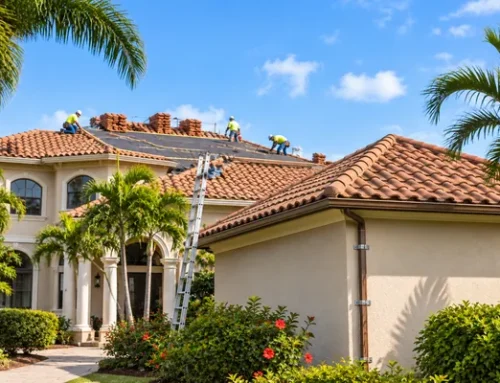
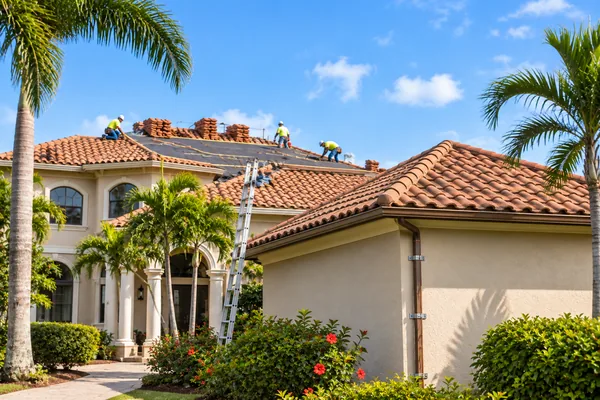
Roof replacement is one of the common reasons an existing lightning protection system may need repairs.
During roofing projects, contractors may temporarily remove lightning rods, mounting hardware and conductors. If these components are not properly reinstalled, the system may no longer provide its intended level of protection.
Always coordinate with a qualified lightning protection contractor before replacing or repairing your roof.
3. Corrosion and Coastal Salt Air
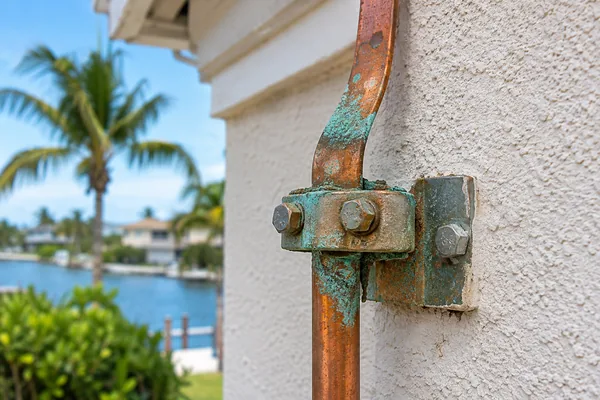
Florida’s coastal environment exposes buildings to high humidity, moisture and salt-laden air. Over time, these environmental conditions can contribute to corrosion and deterioration of certain lightning protection components.
Corrosion may affect:
-
Lightning rods and mounting hardware
-
Conductor connections
-
Grounding clamps
-
Bonding connections
-
Grounding electrodes
-
Connections between incompatible metals
Regular inspections can help identify deterioration before it compromises the system.
4. Falling Trees, Branches and Storm Debris
Falling branches and other debris can bend lightning rods, damage conductors and dislodge mounting brackets.
Even when the roof appears undamaged, the lightning protection system may have sustained damage that is not immediately visible from ground level.
5. Building Renovations and Structural Modifications
Home additions, chimney repairs, solar panel installations, rooftop equipment and other structural modifications can affect an existing lightning protection system.
Changes to the building’s roofline may require additional lightning rods, revised conductor routing or new bonding connections to maintain appropriate protection.
6. Damaged Grounding Systems
The grounding system is an essential part of lightning protection. It provides a pathway for lightning current to dissipate into the earth.
Landscaping, excavation, construction, irrigation installation and corrosion can damage underground grounding components.
Because much of the grounding system is located below ground, damage may go unnoticed without a professional inspection.
7. Direct Lightning Strikes
A properly designed lightning protection system is intended to withstand lightning strikes without requiring automatic replacement afterward. However, a particularly severe strike or an existing weakness in the system may result in damage to individual components.
After a known lightning strike, a professional inspection is recommended to determine whether repairs or replacements are necessary.
Warning Signs Your Lightning Protection System Needs Repair
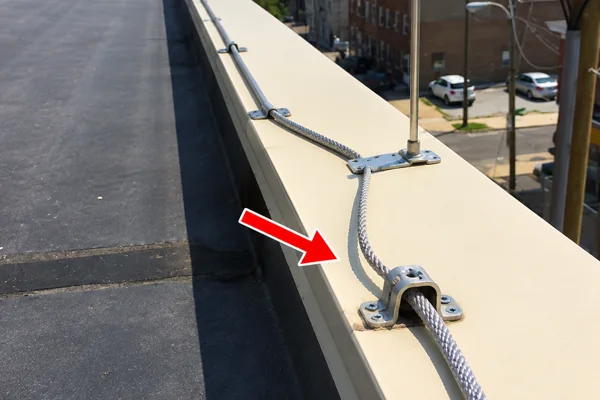
Property owners should be aware of visible signs that their lightning protection system may require professional attention.
Common warning signs include:
-
Bent, broken or missing lightning rods
-
Loose or damaged mounting brackets
-
Disconnected or damaged rooftop conductors
-
Visible corrosion or deteriorating connections
-
Loose grounding connections
-
Conductors hanging away from the building
-
Missing components following roof replacement
-
Damage following hurricanes or severe thunderstorms
-
Uninspected modifications to an existing system
Not all lightning protection damage is visible. A system may appear intact while having compromised connections or grounding components.
Avoid climbing onto the roof or attempting repairs yourself. A qualified lightning protection specialist can safely evaluate the condition of the system.
Why Is It Important to Repair Damaged Lightning Rods?
A lightning protection system is more than a collection of metal rods installed on a roof. It is an interconnected system designed to intercept lightning and conduct its electrical current toward the ground.
Damaged or disconnected components can interrupt this intended pathway and potentially increase the risk of:
-
Structural damage
-
Electrical fires
-
Damage to electrical equipment
-
Side flashes to nearby conductive materials
-
Damage to roofing and building components
-
Costly property repairs
Timely lightning rod repair helps restore the integrity of the system and maintain its intended protective function.
Ignoring damaged lightning protection components can leave your property with a compromised system without you realizing it.
Should Lightning Rods Be Inspected After a Hurricane?
Florida homeowners and commercial property owners should consider having their lightning protection systems professionally inspected after hurricanes, tropical storms and other significant weather events.
High winds and flying debris can damage lightning rods and conductors even when there is little visible damage to the building itself.
A professional lightning protection inspection may include evaluating rooftop lightning rods, mounting hardware, conductor continuity, bonding connections and grounding components.
Identifying storm-related damage early can help prepare your property for future thunderstorms.
Can an Existing Lightning Protection System Be Repaired Instead of Replaced?
In many cases, an existing lightning protection system can be repaired without requiring a complete replacement.
Depending on the condition of the system, professional repairs may include replacing damaged lightning rods, securing loose conductors, replacing deteriorated mounting brackets, restoring bonding connections and repairing grounding components.
Older systems may also benefit from upgrades to accommodate changes to the building or applicable lightning protection standards.
A professional inspection can help determine whether repairs, upgrades or a complete replacement are the most appropriate solution.
Lightning Protection Maintenance and Industry Standards
Lightning protection systems should be installed and maintained in accordance with applicable industry standards, including NFPA 780, the Standard for the Installation of Lightning Protection Systems.
Regular inspections and appropriate maintenance help ensure that system components remain securely connected and in suitable operating condition.
Property owners can learn more about lightning protection standards through the National Fire Protection Association (NFPA).
Professional Lightning Rod Repair and Inspection in Florida
Elite Lightning Rods provides professional lightning protection solutions for residential and commercial properties throughout Florida.
Whether your lightning protection system has been damaged by a hurricane, roof replacement, corrosion or years of exposure to Florida’s weather conditions, our lightning protection specialists can evaluate your existing system and recommend appropriate solutions.
Our lightning protection services include:
-
Residential and commercial lightning rod installation
-
Lightning protection system inspections
-
Lightning rod repair and replacement
-
Grounding system repairs
-
Lightning protection system upgrades
-
Restoration of lightning protection following roofing projects
-
Surge protection solutions
Don’t wait until the next severe thunderstorm to address damaged lightning protection components. Contact Elite Lightning Rods to discuss your property’s lightning protection needs.
Frequently Asked Questions About Lightning Rod Damage and Repair
How do I know if my lightning rods are damaged?
Bent or missing lightning rods, loose mounting brackets, disconnected cables and visible corrosion are common warning signs. However, some damage may not be visible without a professional inspection.
Can a damaged lightning rod still protect my home?
A damaged lightning rod or disconnected conductor may compromise the effectiveness of the lightning protection system. A professional inspection is necessary to determine whether the system remains functional.
Do lightning rods need to be replaced after every lightning strike?
No. Properly installed lightning protection systems are designed to withstand lightning strikes. However, an inspection following a known strike is recommended to identify potential damage.
How often should lightning protection systems be inspected?
Regular professional inspections are recommended, with the appropriate frequency depending on the property’s environment, system condition and applicable standards. Additional inspections should be considered following severe storms, known lightning strikes, roofing work or structural modifications.
Can roofers remove lightning rods during roof replacement?
Lightning protection components may need to be temporarily removed during roofing work. A qualified lightning protection contractor should coordinate their removal and reinstallation to maintain the integrity of the system.
Does Florida’s coastal climate damage lightning rods?
Florida’s high humidity, salt air and coastal weather conditions can contribute to corrosion and deterioration of certain lightning protection components. Proper material selection and regular maintenance can help reduce these risks.
Can I repair lightning rods myself?
DIY lightning rod repairs are not recommended. Lightning protection systems require appropriate materials, secure connections, proper bonding and effective grounding. Repairs should be performed by qualified lightning protection professionals.
How much does lightning rod repair cost in Florida?
The cost depends on the extent of the damage, accessibility of the roof, condition of the grounding system and the components requiring replacement. A professional inspection can help determine the scope and cost of the necessary repairs.
Why Professional Lightning Rod Repair Matters in Florida
Professional lightning rod repair is essential when lightning protection components become damaged, loose or disconnected. Florida’s severe thunderstorms, hurricanes and coastal weather conditions can contribute to system deterioration. Scheduling timely lightning rod repair can help restore system integrity and reduce the risks associated with damaged components. Elite Lightning Rods provides lightning rod repair and inspection services for residential and commercial properties throughout Florida.
Protect Your Florida Property with Professional Lightning Rod Repair
Elite Lightning Rods provides professional lightning rod installation, lightning protection systems, inspections, repairs, grounding and surge protection for residential and commercial properties throughout Florida. Whether you need to repair an existing system or install a new one, our experienced lightning protection specialists can help.
Explore our Florida lightning protection service areas to find professional lightning rod installers near you. Contact Elite Lightning Rods today for a free estimate.