
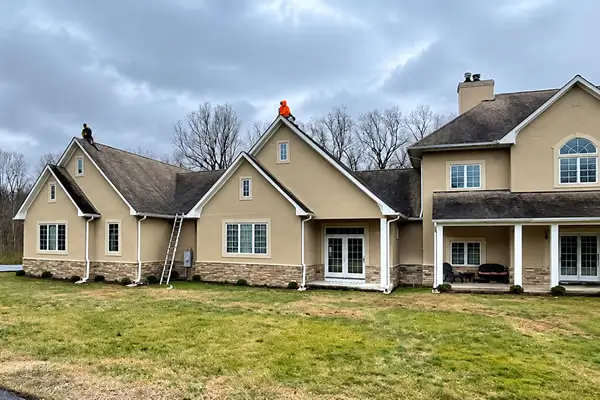
Replacing a roof is one of the most important investments an Orlando homeowner can make. Whether you’re upgrading to a metal roof, replacing aging asphalt shingles, or repairing storm damage, a new roof helps protect your home from Florida’s demanding weather conditions.
But there’s one important feature that often gets overlooked during a roof replacement: your home’s lightning protection system.
In Central Florida, where thunderstorms and lightning are frequent, homeowners should make sure their lightning protection system remains properly installed and functional after roofing work.
At Elite Lightning Rods, we help Orlando-area homeowners with professional lightning protection installation, inspections, repairs, and system modifications.
Why Roof Replacement and Lightning Protection Go Hand in Hand
A professionally installed lightning protection system includes components mounted on or connected to your roof.
These may include lightning rods (air terminals), conductors, connectors, and other specialized equipment designed to provide a controlled path for lightning current to reach the ground.
When roofing contractors remove old shingles, replace decking, install new metal roofing, or modify roof structures, these components may need to be temporarily removed or repositioned.
If the lightning protection system is not properly restored, it may no longer provide its intended level of protection.
That’s why homeowners should coordinate with a qualified lightning protection contractor before roofing work begins.
1. Your Existing Lightning Rods May Need to Be Removed and Reinstalled
During roof replacement, lightning rods and their mounting components may interfere with roofing work.
However, removing lightning protection equipment without proper planning can create problems.
Air terminals must be positioned correctly, conductors must remain electrically continuous, and connections must meet applicable installation requirements.
A professional lightning protection contractor can evaluate the system, coordinate with the roofing company, and determine what components need to be removed, replaced, or reinstalled.
Important: Never assume that a roofing contractor will automatically inspect or restore your lightning protection system.
2. A New Roof Doesn’t Automatically Protect Your Home From Lightning
Many homeowners choose metal roofing because of its durability, appearance, and suitability for Florida weather.
However, a metal roof does not automatically provide complete lightning protection.
Although metal roofing is generally noncombustible, lightning can still affect electrical systems, connected equipment, and other building components.
A complete lightning protection system includes properly designed strike termination devices, conductors, grounding, bonding, and coordinated surge protection.
If you’re upgrading to a metal roof in Orlando, Winter Park, Windermere, or Lake Nona, consider having your lightning protection needs evaluated as part of the project.
3. Roof Modifications Can Affect Lightning Protection Coverage
Not every roof replacement involves installing the same roof design.
Some homeowners also add:
- New dormers or roof extensions
- Skylights
- Covered patios or outdoor living areas
- Chimneys or rooftop structures
- Solar panels
- Additional roof levels
These modifications can change the roof’s geometry and potentially affect the placement of lightning protection components.
An existing system may require adjustments or additional equipment to accommodate the changes.
A professional inspection can help determine whether the system still provides appropriate coverage.
4. Roof Replacement Is a Good Time to Install Lightning Protection
What if your Orlando home doesn’t currently have lightning rods?
A roof replacement can be an excellent opportunity to consider installing a new lightning protection system.
Coordinating the installation with your roofing project may offer several advantages.
Better Planning: The lightning protection contractor can work with your roofing company to determine appropriate mounting locations.
Improved Appearance: Conductors and other components may be positioned to minimize their visual impact.
Convenient Access: Roofing work can provide an opportunity to coordinate installation before certain exterior areas are completed.
Long-Term Protection: A properly designed system can help reduce the risk of lightning-related structural damage.
Lightning protection can also be installed after a roof replacement, but planning ahead may make coordination easier.
5. Florida Thunderstorms Make Lightning Protection Worth Considering
Orlando and surrounding Central Florida communities experience frequent thunderstorms, especially during the warmer months.
Lightning strikes can cause serious damage to residential structures, including fires, damage to building materials, and electrical system failures.
A properly designed lightning protection system provides a preferred path for lightning current to travel toward the ground.
Although no system can guarantee complete protection from every lightning-related event, professionally installed lightning protection can significantly reduce certain risks.
For homeowners investing thousands of dollars in a new roof, considering lightning protection is a sensible part of protecting the overall property.
6. Don’t Forget Grounding, Bonding, and Surge Protection
Lightning protection involves much more than the visible rods on your roof.
A complete system typically includes:
Air Terminals: Positioned to intercept lightning strikes.
Conductors: Designed to carry lightning current along controlled pathways.
Grounding Electrodes: Help dissipate lightning current into the earth.
Bonding: Helps reduce dangerous electrical potential differences between conductive components.
Surge Protection: Helps limit damaging transient overvoltages affecting electrical and electronic equipment.
Even when roofing work primarily affects the visible components, the overall system should be evaluated for proper connections and continuity.
Systems should be designed and installed according to applicable standards, including NFPA 780 and UL 96A.
7. Have Your Lightning Protection System Inspected After Roofing Work
Once your new roof is installed, it’s important to verify that your lightning protection system has been correctly restored.
A professional inspection may include checking:
- Air terminal placement and mounting
- Conductor routing and connections
- Electrical continuity
- Grounding and bonding components
- Damaged or missing equipment
- Modifications made during roofing work
If the roofing project involved substantial structural changes, additional system modifications may be necessary.
Having the system evaluated before and after roof replacement helps identify issues that could otherwise go unnoticed.
Frequently Asked Questions About Roof Replacement and Lightning Protection in Orlando
Can a roofing contractor remove my lightning rods?
Roofing work may require temporary removal of certain lightning protection components. However, removal and reinstallation should be coordinated with a qualified lightning protection contractor to maintain the system’s integrity.
Will lightning rods damage my new roof?
Properly selected and installed mounting components are designed to work with compatible roofing materials. Installation methods should follow applicable standards and roofing manufacturer requirements.
Do I need new lightning rods when replacing my roof?
Not necessarily. Some existing components may be reusable if they remain in good condition and meet applicable requirements. A professional inspection can determine whether repairs, replacements, or modifications are needed.
Can lightning protection be installed on a metal roof?
Yes. Lightning protection systems can be designed for many types of metal roofing. The installation method depends on the roof’s construction and applicable standards.
Should I have my lightning protection inspected after a hurricane?
Yes. If your property experiences significant wind damage, roofing repairs, or structural modifications, it’s advisable to have the lightning protection system inspected.
Professional Lightning Protection Services in Orlando, Florida
Whether you’re replacing your roof, renovating your home, or considering lightning protection for the first time, Elite Lightning Rods can help.
With more than 60 years of family experience spanning four generations, we provide professional lightning protection services for residential and commercial properties.
Our services include:
- New lightning protection system installation
- Existing system inspections
- Lightning rod repairs and replacement
- System modifications during roof replacement
- Lightning protection maintenance
We serve homeowners in Orlando, Winter Park, Windermere, Lake Nona, and surrounding Central Florida communities.
Protect Your New Roof and Your Home
Before starting your next roofing project, consider how lightning protection fits into your plans.
Contact Elite Lightning Rods today to discuss lightning protection installation, inspection, or repair for your Orlando-area property.
A new roof protects your home from the weather. A properly designed lightning protection system helps protect it from lightning.